
Shark Tooth Chart
Shark Tooth Chart - This will be a quick guide to the identification of most teeth down to the level of order. Some sharks shed approximately 35,000 teeth in a lifetime, replacing those that fall out. Color can be an indicator of age in some situations but not all the time. Some large teeth like the megalodon and great white shark are easy to identify. To date, nearly 50 species of sharks have been noted in the lee creek faunal record. Shark teeth range in size from microscopic to 6+ inches! Some of the easiest and most plentiful fossils to find are shark teeth. Walk slowly along this tide line as you keep your eyes peeled for teeth. Once you find a shark tooth the next step is to identify what type of shark it is from. Decide whether the statement in the first box (1a) or the the second box (1b) best describes the characteristics of the fossil tooth you are trying to identify. Some large teeth like the megalodon and great white shark are easy to identify. Start in box “a” and compare the features of the tooth with the description. Their teeth are designed to help catch and eat their specific prey. Fossil shark teeth, the most collected fossil in the world, are the most common fossil found in the neighboring phosphate mine. Learn more about the teeth of six different shark species. Web discover how to identify several different types of shark teeth, as well as learn about why sharks lose their teeth! Web identification of shark teeth without the shark they came from can be difficult, but, with the help of shark biologists, we’ve assembled a few common shark teeth into a classification key for quick identification. Below this, at the family, genus and species level, there are many published guides both in book form and on the internet that will help in this area. Start with the first question. Shark teeth range in size from microscopic to 6+ inches! Key to the common genera of neogene fossil shark teeth. Web each species of shark has unique and distinct teeth that allow them to survive and thrive in their environment. This will be a quick guide to the identification of most teeth down to the level of order. Color can be an indicator of age in some situations but not. This will be a quick guide to the identification of most teeth down to the level of order. Modern shark teeth, both the crown and the root, are typically white in color. Some large teeth like the megalodon and great white shark are easy to identify. To date, nearly 50 species of sharks have been noted in the lee creek. Search for teeth at the tide line and the shoreline. Some of the easiest and most plentiful fossils to find are shark teeth. Their teeth are designed to help catch and eat their specific prey. Web fossil shark teeth id guide. This will be a quick guide to the identification of most teeth down to the level of order. Some of the easiest and most plentiful fossils to find are shark teeth. Key to the common genera of neogene fossil shark teeth. Some large teeth like the megalodon and great white shark are easy to identify. Learn more about the teeth of six different shark species. Shark teeth range in size from microscopic to 6+ inches! Web each species of shark has unique and distinct teeth that allow them to survive and thrive in their environment. Below this, at the family, genus and species level, there are many published guides both in book form and on the internet that will help in this area. Fossil teeth are permineralized and are usually darker colored. Shark teeth range. Start in box “a” and compare the features of the tooth with the description. Sharks continually shed their teeth. How to use this key: Their teeth are designed to help catch and eat their specific prey. Web a quick and dirty guide to the general identification of fossil shark teeth. Web how to identify shark teeth. Start with the first question. Modern shark teeth, both the crown and the root, are typically white in color. Web there are a number of different ways one can determine if a shark tooth is a fossil or if it is modern. Tooth shape depends on the shark's diet. Learn more about the teeth of six different shark species. Web there are a number of different ways one can determine if a shark tooth is a fossil or if it is modern. Below this, at the family, genus and species level, there are many published guides both in book form and on the internet that will help in this. Some large teeth like the megalodon and great white shark are easy to identify. Start in box “a” and compare the features of the tooth with the description. Some sharks shed approximately 35,000 teeth in a lifetime, replacing those that fall out. Web there are a number of different ways one can determine if a shark tooth is a fossil. Decide whether the statement in the first box (1a) or the the second box (1b) best describes the characteristics of the fossil tooth you are trying to identify. Modern shark teeth, both the crown and the root, are typically white in color. Once you find a shark tooth the next step is to identify what type of shark it is. Web discover how to identify several different types of shark teeth, as well as learn about why sharks lose their teeth! Some sharks shed approximately 35,000 teeth in a lifetime, replacing those that fall out. There are over 500 species of sharks and smaller shark teeth can be more difficult to identify. Decide whether the statement in the first box (1a) or the the second box (1b) best describes the characteristics of the fossil tooth you are trying to identify. Web each species of shark has unique and distinct teeth that allow them to survive and thrive in their environment. Fossil teeth are permineralized and are usually darker colored. Fossil shark teeth, the most collected fossil in the world, are the most common fossil found in the neighboring phosphate mine. Below this, at the family, genus and species level, there are many published guides both in book form and on the internet that will help in this area. Web identification of shark teeth without the shark they came from can be difficult, but, with the help of shark biologists, we’ve assembled a few common shark teeth into a classification key for quick identification. To date, nearly 50 species of sharks have been noted in the lee creek faunal record. Some of the easiest and most plentiful fossils to find are shark teeth. Walk slowly along this tide line as you keep your eyes peeled for teeth. Some large teeth like the megalodon and great white shark are easy to identify. Modern shark teeth, both the crown and the root, are typically white in color. Shark teeth range in size from microscopic to 6+ inches! Their teeth are designed to help catch and eat their specific prey.
Shark Tooth Identification Chart
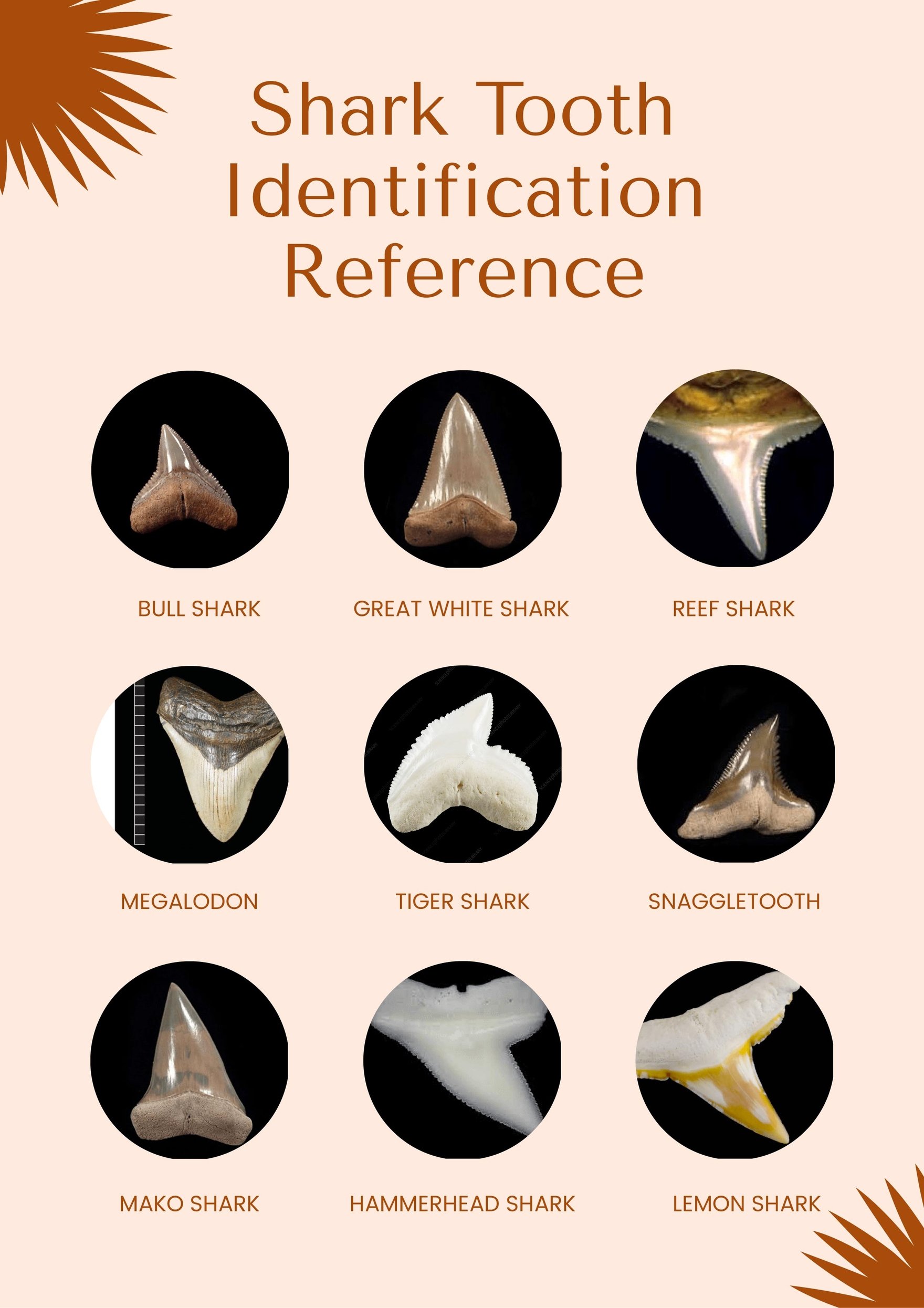
Shark Teeth Chart in Illustrator, PDF Download
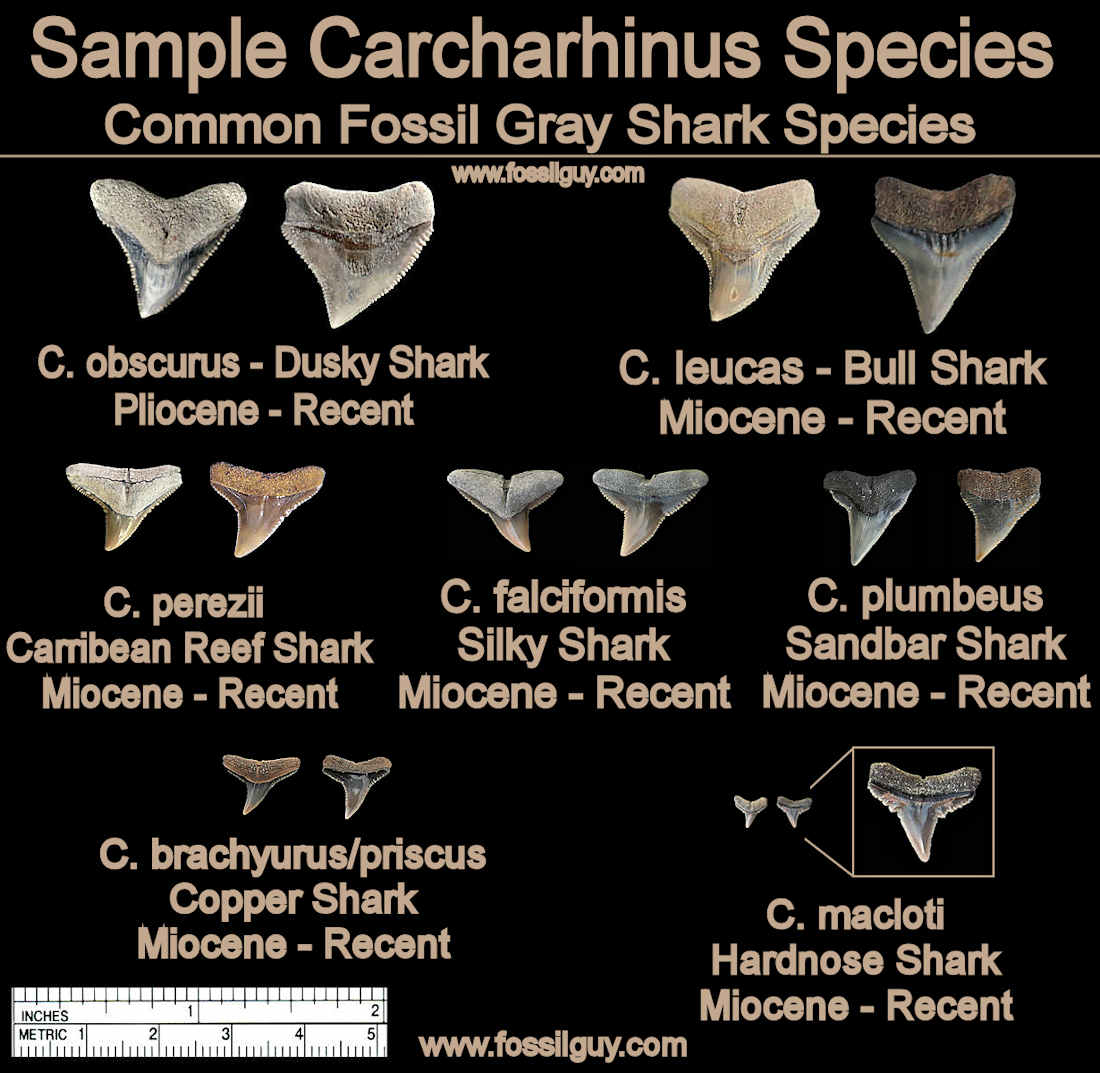
Shark Tooth Identification Chart

Shark Tooth Chart
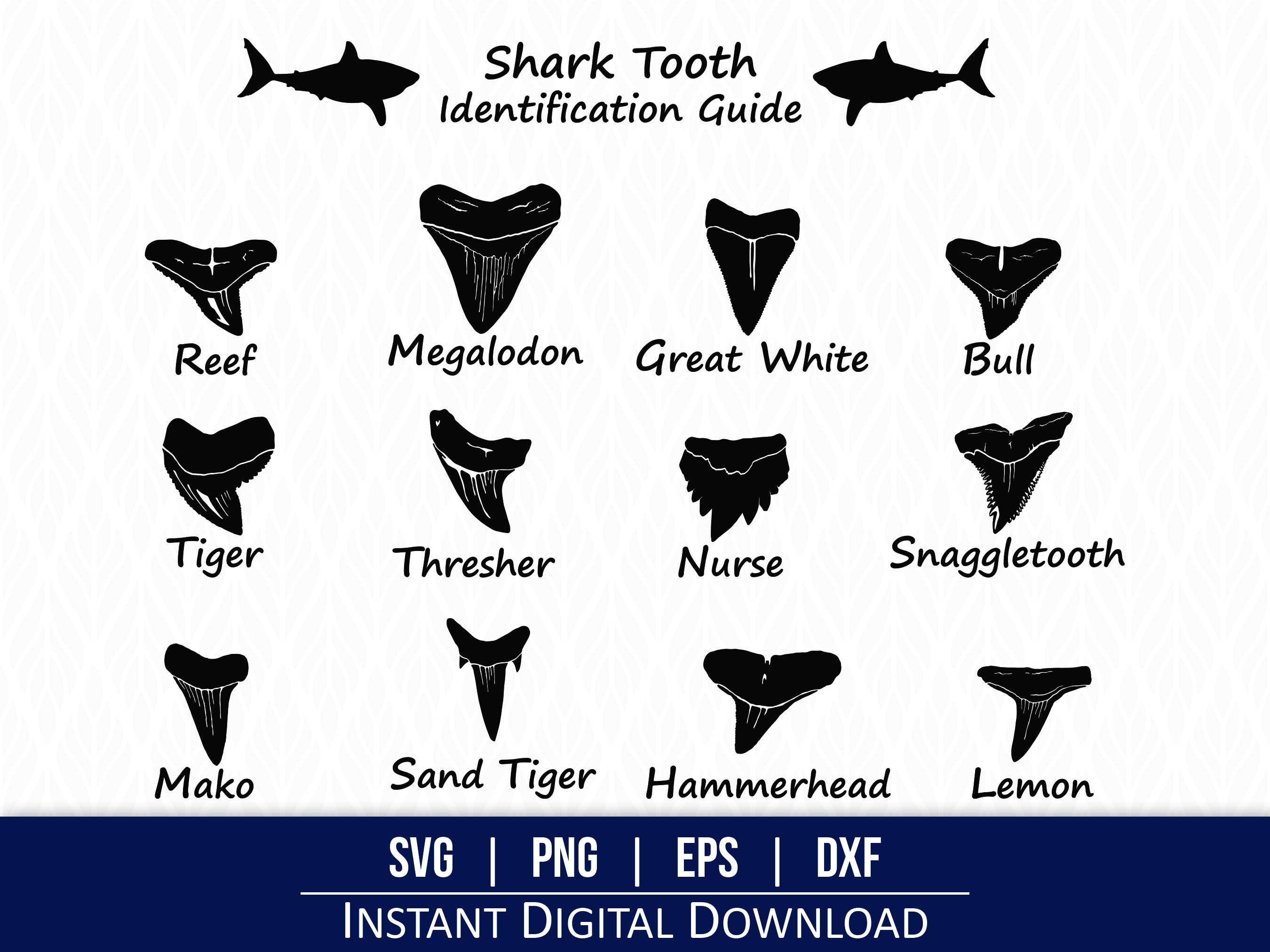
Shark Teeth Svg Fossil Guide Identification Guide SVG Cut Etsy
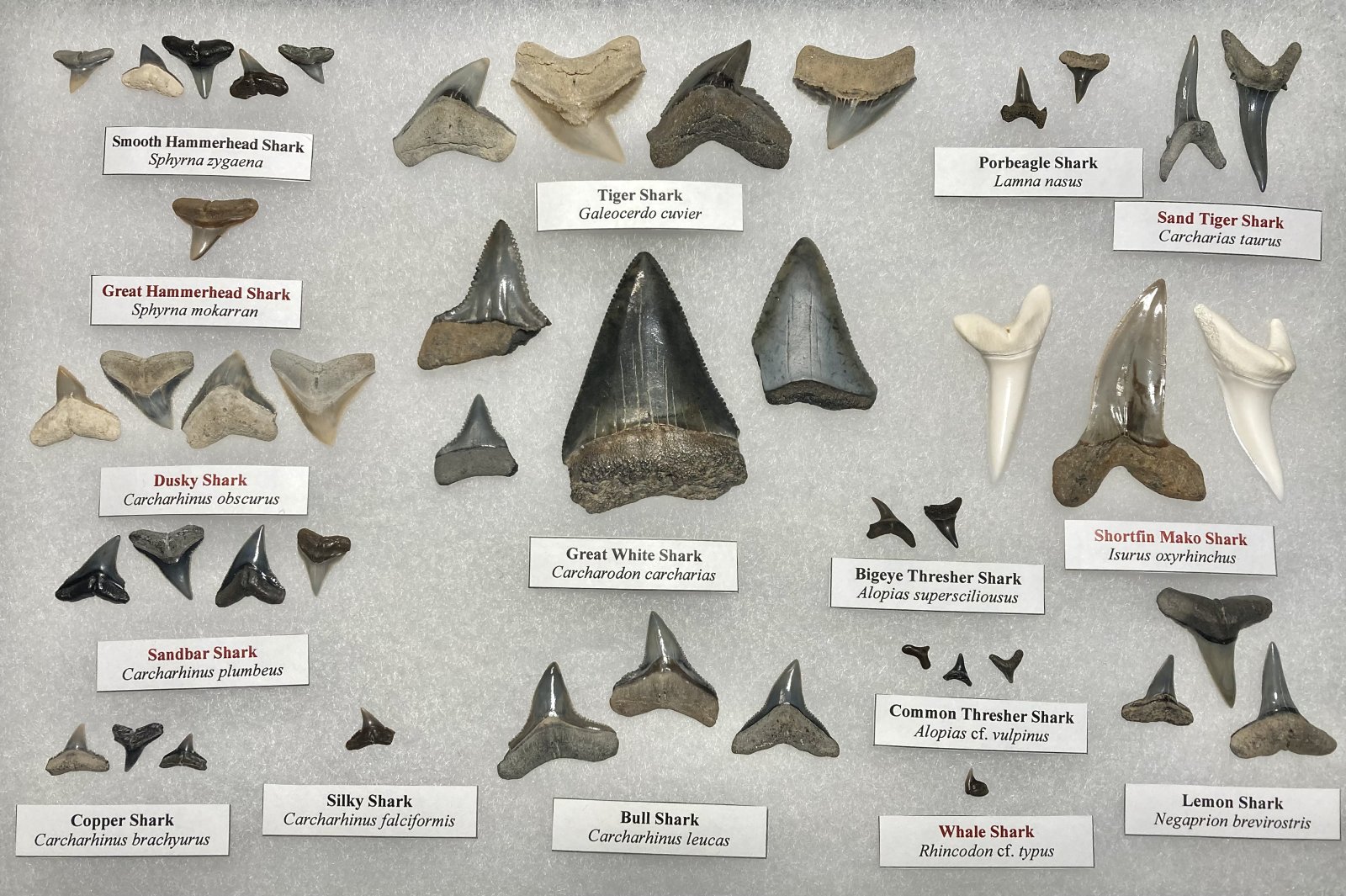
Shark Tooth Identification Chart
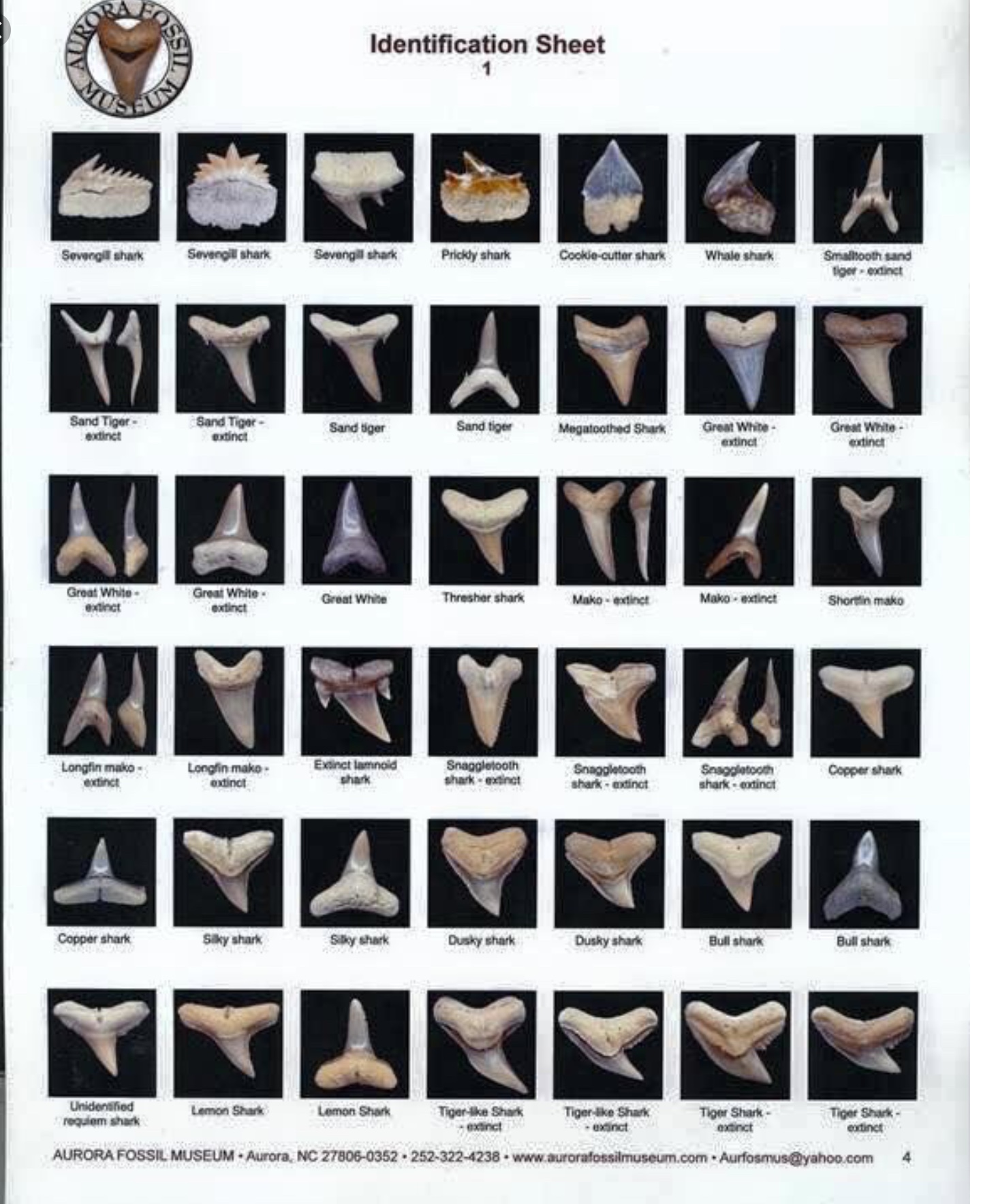
Sharks Teeth Identification Chart

Shark Tooth Identification Chart

Shark Tooth Identification Chart
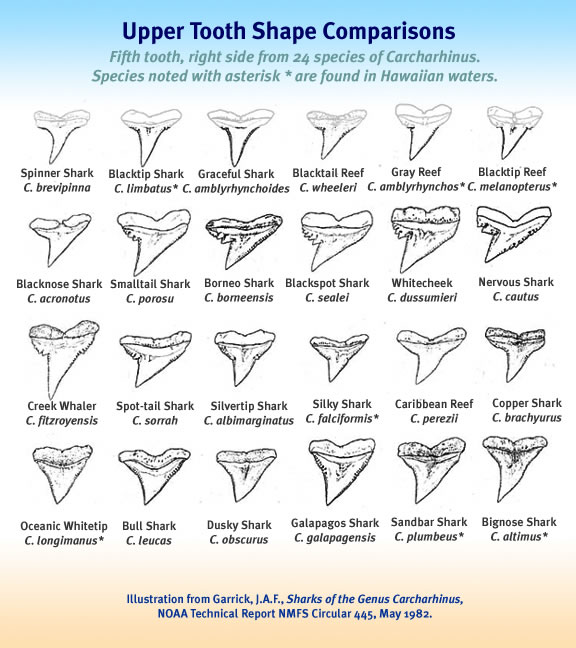
Shark Tooth Identification Chart
This Will Be A Quick Guide To The Identification Of Most Teeth Down To The Level Of Order.
How To Use This Key:
Learn More About The Teeth Of Six Different Shark Species.
Start In Box “A” And Compare The Features Of The Tooth With The Description.
Related Post: