
French Catheter Size Chart
French Catheter Size Chart - See the below chart for the most common french sizes along with their corresponding funnel color codes. It may also be abbreviated as ch or ch (for charrière, its inventor). Web the french scale makes it easy to size things that are extremely small in diameter. Larger catheters of 22 french are recommended for patients with hematuria or clots. Enter a value in a cell and click the calculate button in the same row to determine approximate equivalence in the other unit. Web there’s an easy way to determine which french size your catheter is. Additionally, children who need pediatric catheterization may use a size that ranges between 6 and 10. Web the french catheter scale (most correctly abbreviated as fr, but also often abbreviated as fr or f) is commonly used to measure the outer circumference of cylindrical medical instruments including catheters. Catheters for men and unisex catheters tend to average around 16 inches (40.6cm) in length. 1 fr = 0.33 mm, and therefore the diameter of the catheter in millimeters can be determined by dividing the french size by 3: It is most often abbreviated as fr, but can often be seen abbreviated as fg, fr or f. Catheters are just millimeters wide, with different sizes often being just fractions of a millimeter apart. Another easy way is to look at your catheter’s packaging. In some parts of the world, the charrière ( ch) is used as the. Web the french catheter scale (most correctly abbreviated as fr, but also often abbreviated as fr or f) is commonly used to measure the outer circumference of cylindrical medical instruments including catheters. It may also be abbreviated as ch or ch (for charrière, its inventor). Catheters for men and unisex catheters tend to average around 16 inches (40.6cm) in length. Web by convention, peripheral iv catheters are sized in gauge, and central venous catheters (cvcs) are sized in french. Web french sizes only apply to intermittent and indwelling catheters. Web catheter sizing and measurements. In some parts of the world, the charrière ( ch) is used as the. A 14 to 16 french is used on most adults. The diameter of a catheter is measured in “french units” or “fr”. Web the french gauge (fr) (also known as the french scale or system) is used to size catheters, and other instruments, in interventional radiology. Enter a value in a cell and click the calculate button in the same row to determine approximate equivalence in the other unit. Web the french scale makes it easy to size things that are extremely small in diameter. Web learn how to select the right size urinary catheter, understand the french sizing system for intermittent and foley catheterization, &. Safe weighing range ensures accurate results. Larger catheters of 22 french are recommended for patients with hematuria or clots. Web the french gauge (fr) (also known as the french scale or system) is used to size catheters, and other instruments, in interventional radiology and surgery. Another easy way is to look at your catheter’s packaging. Web feeding tube size information. Web french sizes only apply to intermittent and indwelling catheters. A french size is comparable to the circumference of the catheter in millimeters. Safe weighing range ensures accurate results. Web the right size is essential to increase an intermittent catheter’s efficiency and comfort. In some parts of the world, the charrière ( ch) is used as the. Web catheter french sizes generally start very small at 5 or 6 french and progress upward in size, through as large as 24 french. Web by convention, peripheral iv catheters are sized in gauge, and central venous catheters (cvcs) are sized in french. This guide will help you learn all there is to know about french sizes for urinary catheters.. Web typically speaking, the french size for adult women is between 10 and 12, and the range for adult men is typically between 14 and 16, with most men averaging closer to 14. See the below chart for the most common french sizes along with their corresponding funnel color codes. Additionally, children who need pediatric catheterization may use a size. This guide will help you learn all there is to know about french sizes for urinary catheters. Web whether it’s a 1.88 inch long 20 gauge peripheral intravenous (piv) catheter or a 13.5 french mahurkar dialysis catheter, healthcare workers are exposed to both the “gauge” and “french” unit systems almost every day. A 14 to 16 french is used on. The french scale or french gauge system (most correctly abbreviated as fr, but also often abbreviated as fr or f) is commonly used to measure the size (diameter) of a catheter. Additionally, children who need pediatric catheterization may use a size that ranges between 6 and 10. Another easy way is to look at your catheter’s packaging. 1 fr =. Web french sizes of fr 5 or 6 generally fit infants and children while fr 8 to 12 catheters work for most teens. Web there’s an easy way to determine which french size your catheter is. Web french sizes only apply to intermittent and indwelling (foley) catheters. Web look at the color of your catheter funnel to find out which. A french size is comparable to the circumference of the catheter in millimeters. Catheters come in different shapes and sizes. The french catheter scale or french units (f) is commonly used to measure the outside diameter of needles, catheters, and other cylindrical medical instruments. Catheters are just millimeters wide, with different sizes often being just fractions of a millimeter apart.. This guide will help you learn all there is to know about french sizes for urinary catheters. “french” or “fr” is equivalent to 0.33 millimeters, which converts to.013 inch or 1/77 inch in diameter. Web by convention, peripheral iv catheters are sized in gauge, and central venous catheters (cvcs) are sized in french. A french size is comparable to the circumference of the catheter in millimeters. Web look at the color of your catheter funnel to find out which size you have. The french scale takes all those fractions and puts them into a sizing chart that’s much easier to read. Web whether it’s a 1.88 inch long 20 gauge peripheral intravenous (piv) catheter or a 13.5 french mahurkar dialysis catheter, healthcare workers are exposed to both the “gauge” and “french” unit systems almost every day. Additionally, children who need pediatric catheterization may use a size that ranges between 6 and 10. Web the french gauge (fr) (also known as the french scale or system) is used to size catheters, and other instruments, in interventional radiology and surgery. Web the size in french units is roughly equal to the circumference of the catheter in millimeters. Web chart showing the decimal and metric equivalents for the french catheter guage sizes. Web french sizes only apply to intermittent and indwelling (foley) catheters. It is most often abbreviated as fr, but can often be seen abbreviated as fg, fr or f. See the below chart for the most common french sizes along with their corresponding funnel color codes. Catheters are just millimeters wide, with different sizes often being just fractions of a millimeter apart. In some parts of the world, the charrière ( ch) is used as the.
Catheter French Scale Personalized Rulers, Custom Rulers by Schlenker
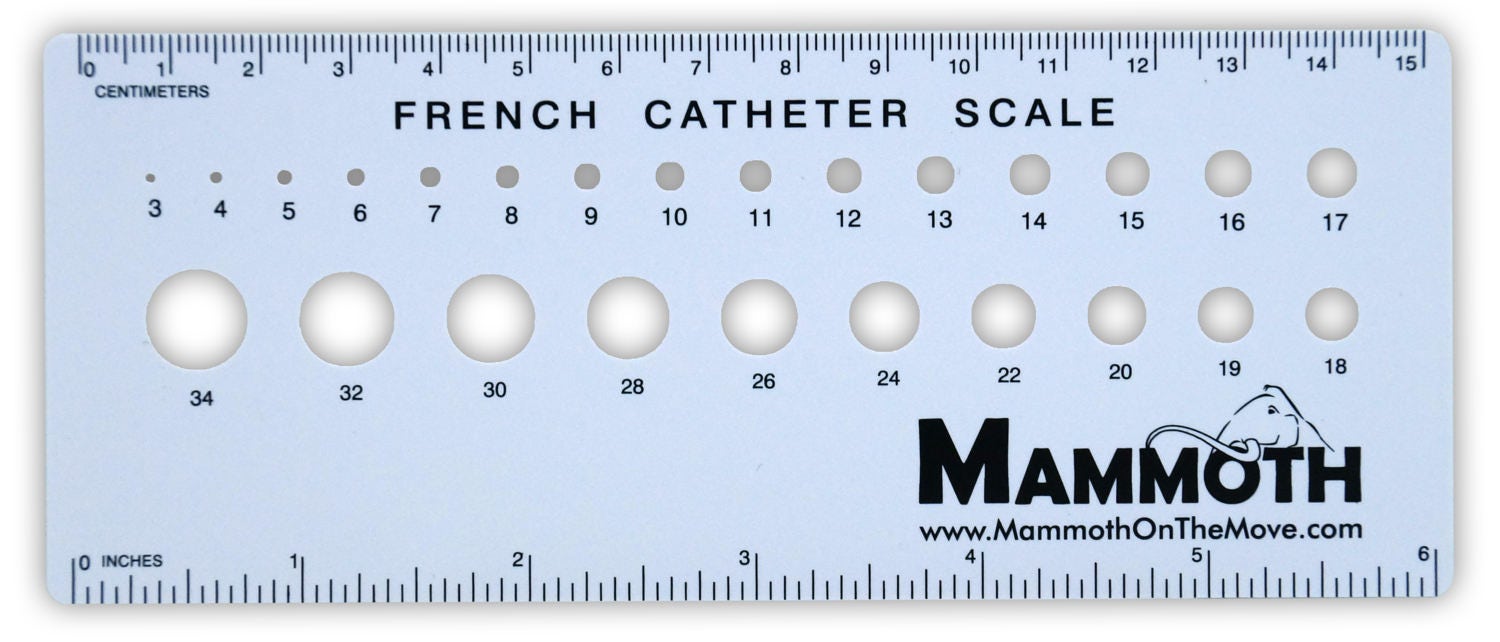
French Catheter Scale Chart

French Catheter Scale by Key Surgical — Grayline Medical

French Catheter Scale Chart

Urinary Catheter French Sizes

Comparing French Sizing to Gauge for IVs and Central Venous Catheters

Foley Catheter French Size Chart

Catheter French Size Conversion
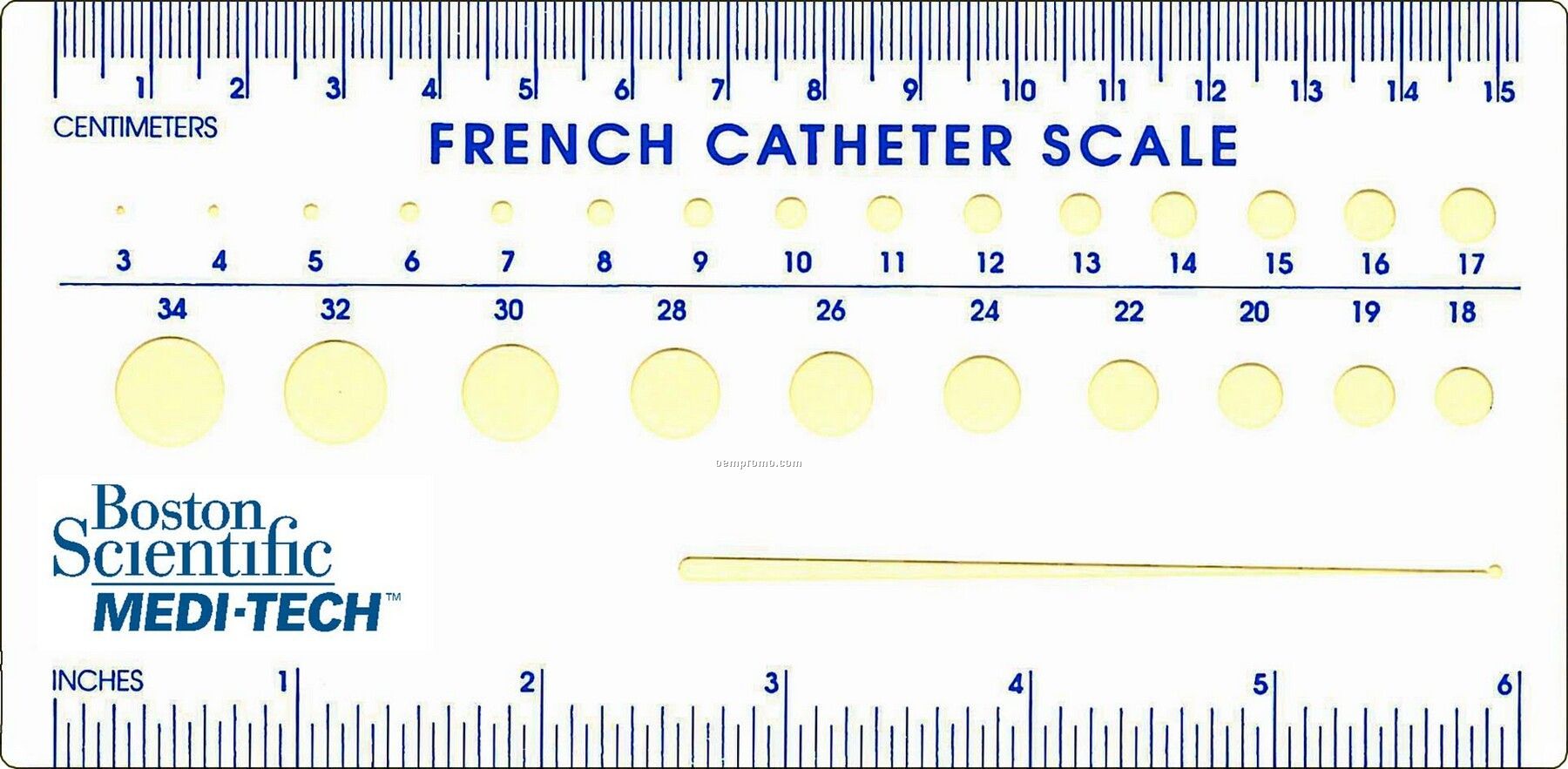
French Catheter Size Chart

French Size Catheter Conversion Chart A Visual Reference of Charts
Web Typically Speaking, The French Size For Adult Women Is Between 10 And 12, And The Range For Adult Men Is Typically Between 14 And 16, With Most Men Averaging Closer To 14.
Web Catheter Sizing And Measurements.
Web French Sizes Only Apply To Intermittent And Indwelling Catheters.
Web There’s An Easy Way To Determine Which French Size Your Catheter Is.
Related Post: