
Carb Ice Chart
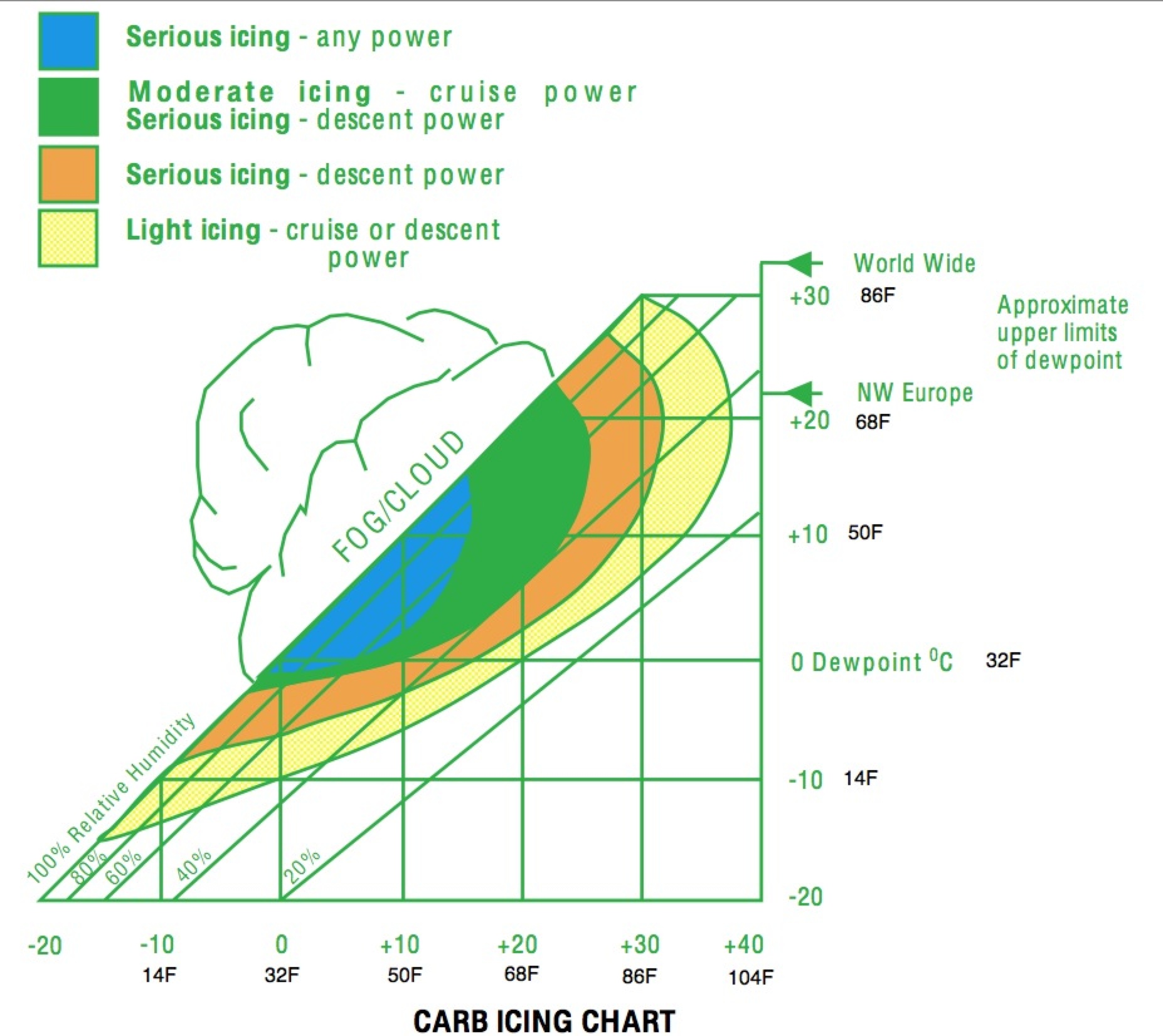
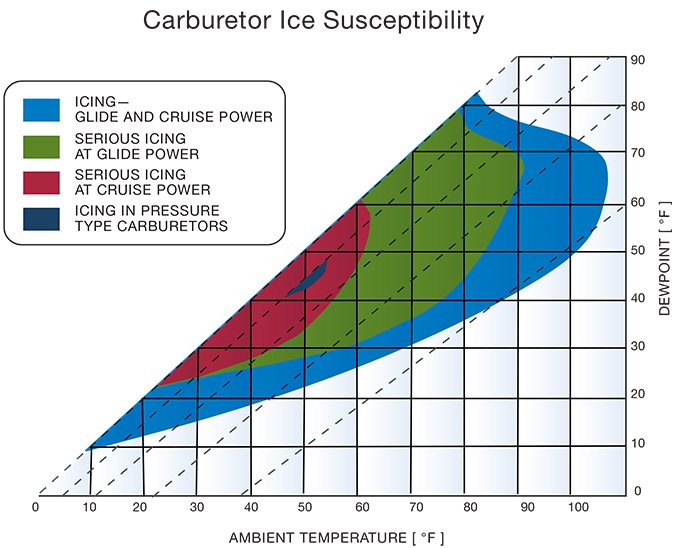
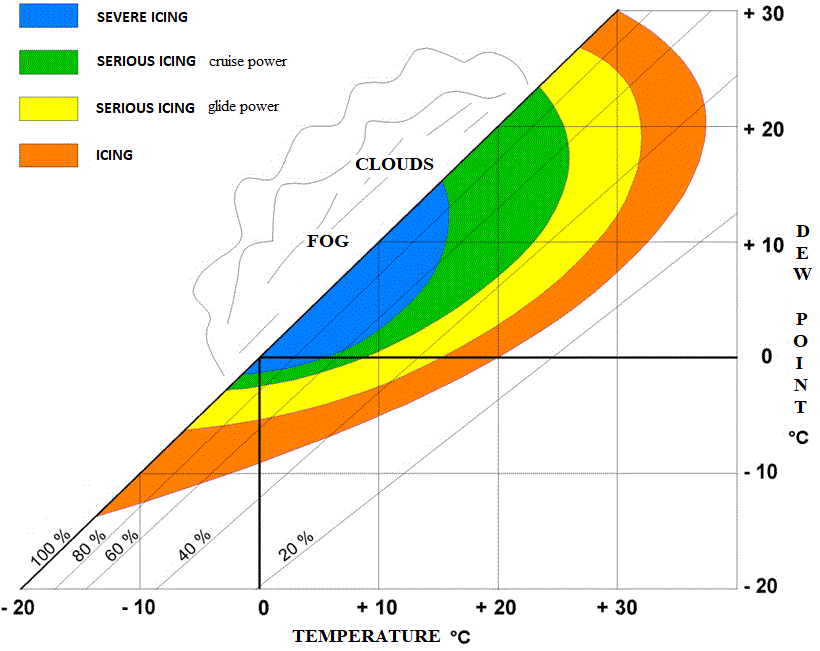
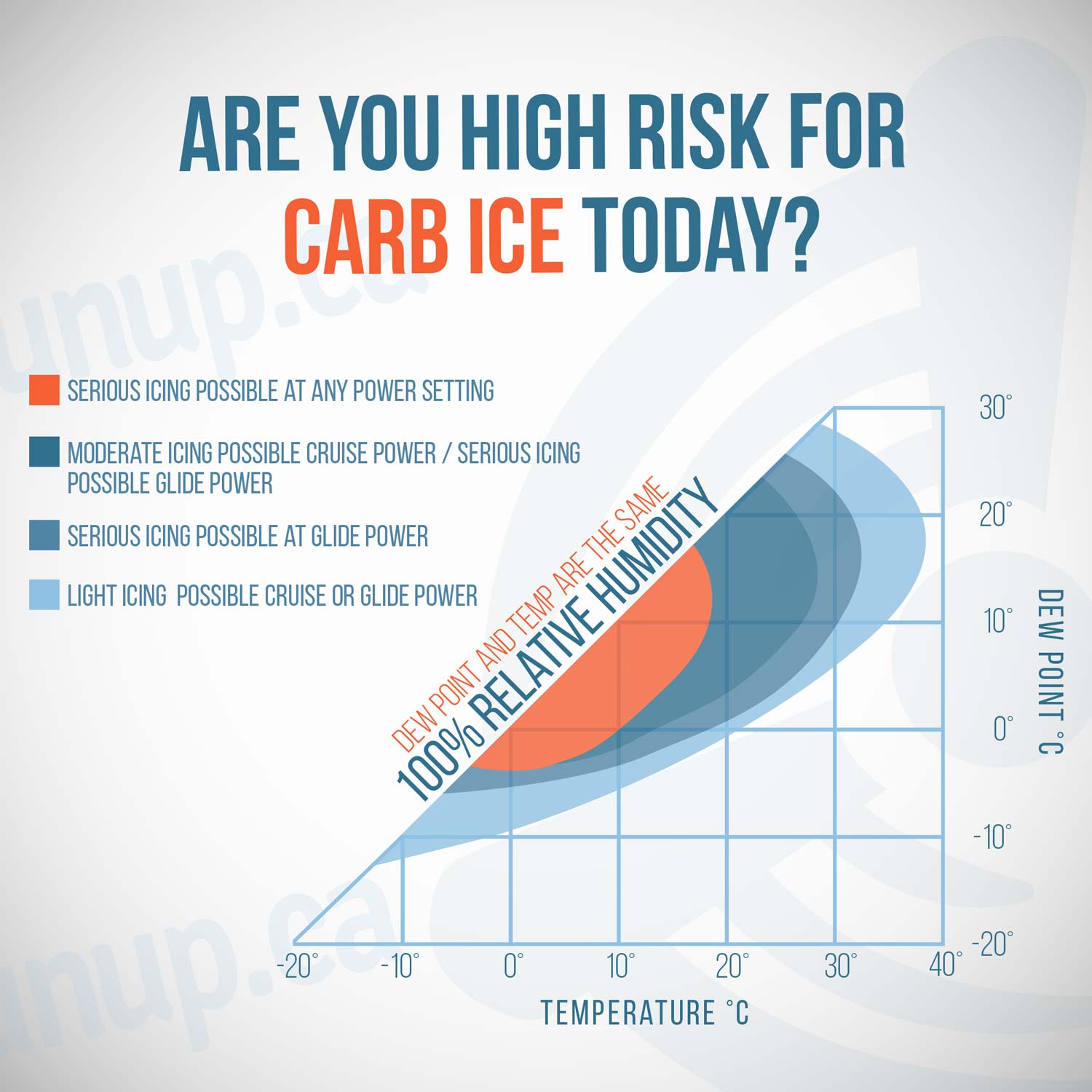
Carb Ice Chart - Try the aerotoolbox carb icing calculator to find out. It’s an essential inclusion in every pilot’s flight bag, especially those operating internal combustion engine aircraft equipped with carburettors. There are three types of induction icing: Likewise, certain flight conditions carry greater risks. Web in most cases, pilots can get rid of accumulations of carburetor ice by using carb heat. Web monitor your risk of carby icing using this probability chart and list of fast facts. This is the 'dew point depression' — for example, if the temperature is 120 c and the dew point is 20 the dew. — obtain the temperature and dew point — calculate the difference between the two. Web carburetor ice forms when the air passing through the carburetor venturi mixes with vaporized fuel causing a large temperature drop within the carburetor. Web icing is most likely to occur—and to be severe—when temperatures fall roughly between 50 and 70 degrees f and the relative humidity is greater than 60 percent. Weather, training and safety, weather. Try the aerotoolbox carb icing calculator to find out. It’s an essential inclusion in every pilot’s flight bag, especially those operating internal combustion engine aircraft equipped with carburettors. = 300 250 200 13 12 11 0100 to use this chart: Web in most cases, pilots can get rid of accumulations of carburetor ice by using carb heat. Web do you know in what conditions carb icing is most likely to occur? Web monitor your risk of carby icing using this probability chart and list of fast facts. There are three types of induction icing: This proves that the system works as designed—warming the carburetor venturi and body—especially if we are conscientious in applying carb heat before reducing power. This is the 'dew point depression' — for example, if the temperature is 120 c and the dew point is 20 the dew. The moisture in the air can form ice, restricting the air and fuel flow to the engine and resulting in a partial or total loss of engine power. Weather, training and safety, weather. Web applying carburetor heat can reduce power by as much as 15 percent. — obtain the temperature and dew point — calculate the difference between the two.. The moisture in the air can form ice, restricting the air and fuel flow to the engine and resulting in a partial or total loss of engine power. Web in most cases, pilots can get rid of accumulations of carburetor ice by using carb heat. = 300 250 200 13 12 11 0100 to use this chart: Try the aerotoolbox. The moisture in the air can form ice, restricting the air and fuel flow to the engine and resulting in a partial or total loss of engine power. There are three types of induction icing: Web applying carburetor heat can reduce power by as much as 15 percent. Try the aerotoolbox carb icing calculator to find out. This is the. Try the aerotoolbox carb icing calculator to find out. Web in most cases, pilots can get rid of accumulations of carburetor ice by using carb heat. Web icing is most likely to occur—and to be severe—when temperatures fall roughly between 50 and 70 degrees f and the relative humidity is greater than 60 percent. Web applying carburetor heat can reduce. Web applying carburetor heat can reduce power by as much as 15 percent. This is the 'dew point depression' — for example, if the temperature is 120 c and the dew point is 20 the dew. Web carburetor ice forms when the air passing through the carburetor venturi mixes with vaporized fuel causing a large temperature drop within the carburetor.. Web applying carburetor heat can reduce power by as much as 15 percent. It’s an essential inclusion in every pilot’s flight bag, especially those operating internal combustion engine aircraft equipped with carburettors. The moisture in the air can form ice, restricting the air and fuel flow to the engine and resulting in a partial or total loss of engine power.. Try the aerotoolbox carb icing calculator to find out. The moisture in the air can form ice, restricting the air and fuel flow to the engine and resulting in a partial or total loss of engine power. This is the 'dew point depression' — for example, if the temperature is 120 c and the dew point is 20 the dew.. The moisture in the air can form ice, restricting the air and fuel flow to the engine and resulting in a partial or total loss of engine power. Web monitor your risk of carby icing using this probability chart and list of fast facts. — obtain the temperature and dew point — calculate the difference between the two. This proves. This proves that the system works as designed—warming the carburetor venturi and body—especially if we are conscientious in applying carb heat before reducing power. Web carburetor ice forms when the air passing through the carburetor venturi mixes with vaporized fuel causing a large temperature drop within the carburetor. This is the 'dew point depression' — for example, if the temperature. Web in most cases, pilots can get rid of accumulations of carburetor ice by using carb heat. Web icing is most likely to occur—and to be severe—when temperatures fall roughly between 50 and 70 degrees f and the relative humidity is greater than 60 percent. Web monitor your risk of carby icing using this probability chart and list of fast. The moisture in the air can form ice, restricting the air and fuel flow to the engine and resulting in a partial or total loss of engine power. It’s an essential inclusion in every pilot’s flight bag, especially those operating internal combustion engine aircraft equipped with carburettors. Web carburetor ice forms when the air passing through the carburetor venturi mixes with vaporized fuel causing a large temperature drop within the carburetor. This proves that the system works as designed—warming the carburetor venturi and body—especially if we are conscientious in applying carb heat before reducing power. Web applying carburetor heat can reduce power by as much as 15 percent. — obtain the temperature and dew point — calculate the difference between the two. There are three types of induction icing: This is the 'dew point depression' — for example, if the temperature is 120 c and the dew point is 20 the dew. Web in most cases, pilots can get rid of accumulations of carburetor ice by using carb heat. Web monitor your risk of carby icing using this probability chart and list of fast facts. Weather, training and safety, weather. Likewise, certain flight conditions carry greater risks.
Carburetor Ice A Nasty Surprise For All Types Of Weather Boldmethod
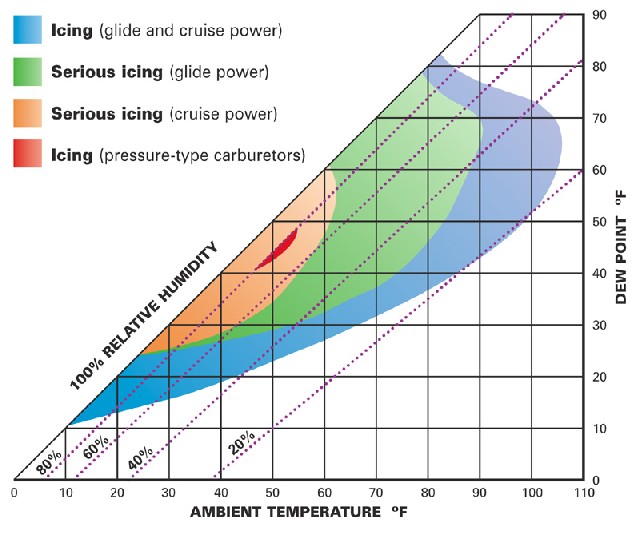
Carburetor what? AOPA
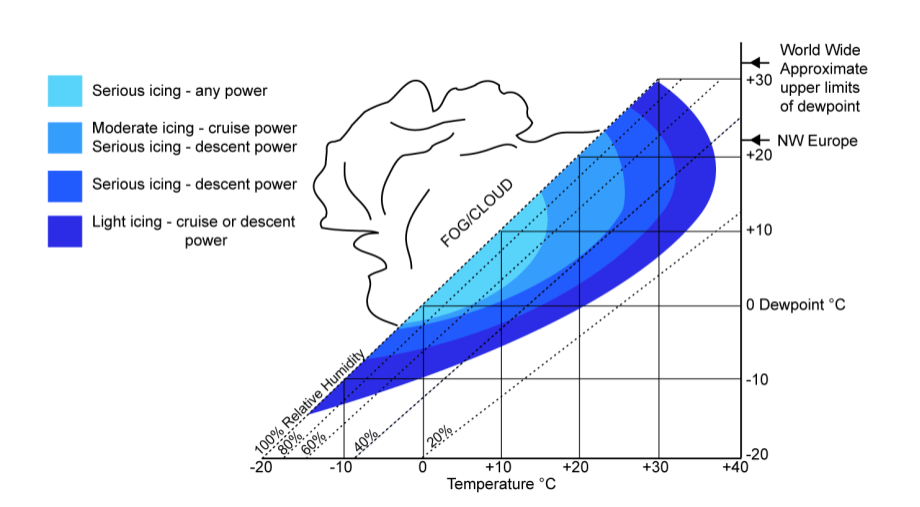
Carburator ice IVAO Documentation Library
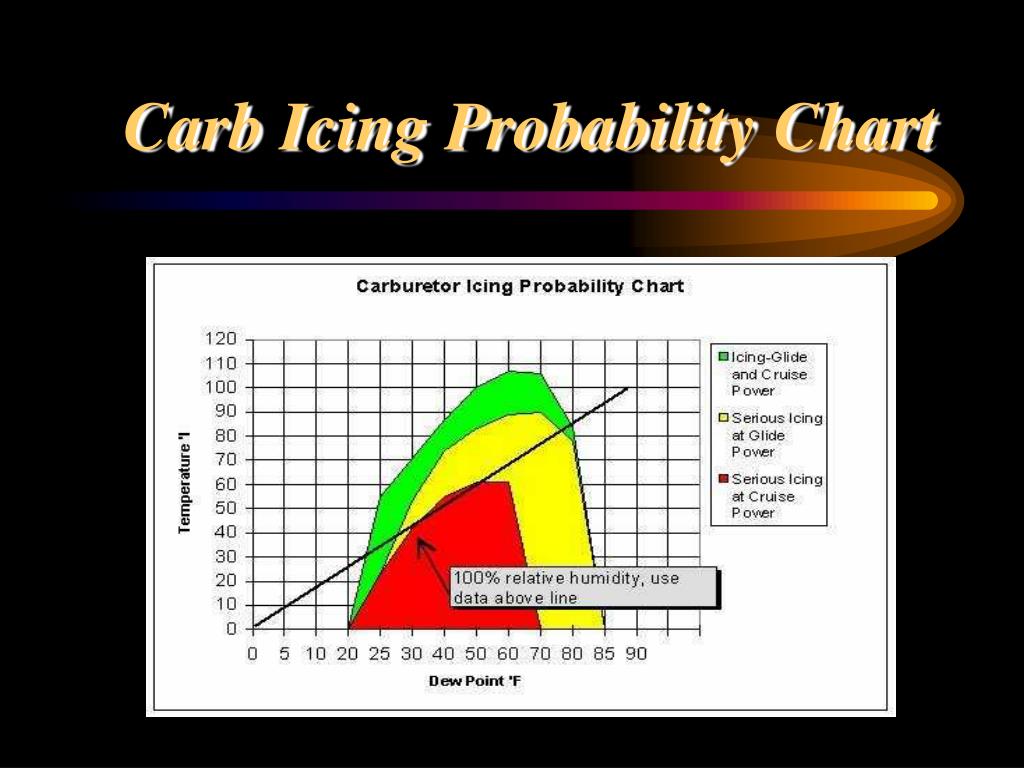
PPT Carburetor Ice PowerPoint Presentation, free download ID231702
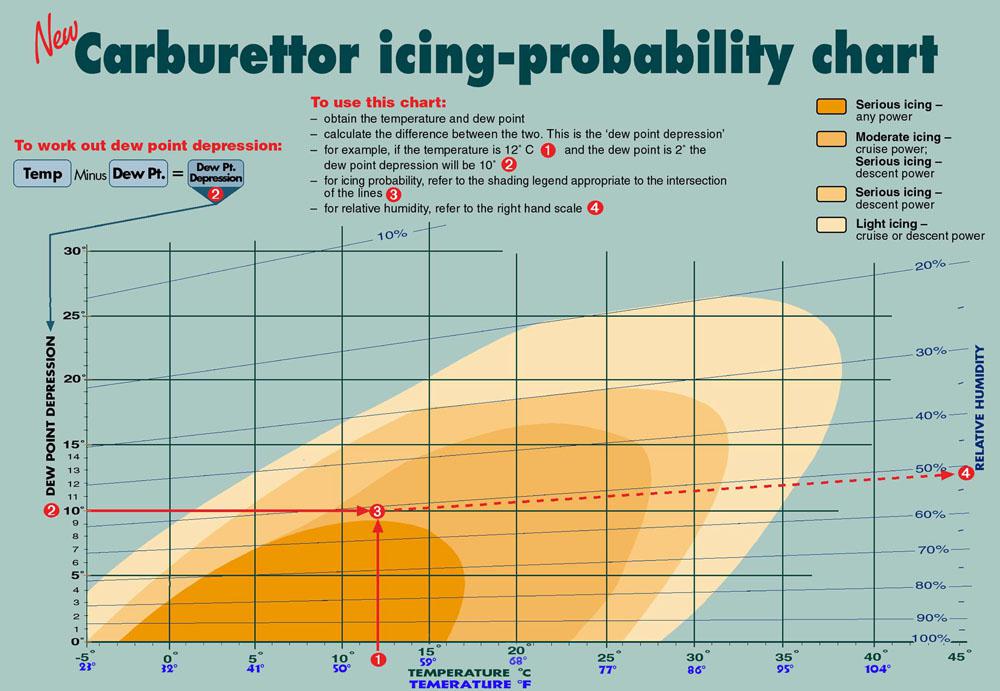
Carburetor Icing Disciples of Flight

Carb Icing
Carb Icing? Kawasaki Forums
5 Ways to Crash an Airplane Aviation Safety
Carb Icing Prevention is Always Better than Cure
When Are You at the Highest Risk for Carb Ice? Runup.ca
Web Do You Know In What Conditions Carb Icing Is Most Likely To Occur?
Web Icing Is Most Likely To Occur—And To Be Severe—When Temperatures Fall Roughly Between 50 And 70 Degrees F And The Relative Humidity Is Greater Than 60 Percent.
Try The Aerotoolbox Carb Icing Calculator To Find Out.
= 300 250 200 13 12 11 0100 To Use This Chart:
Related Post: